
The U.S. online gambling space is crowded, competitive, and brutally expensive to break. DraftKings, FanDuel, and BetMGM are throwing hundreds of millions at advertising every year. So how does a growing operator compete with smarter iGaming marketing.?
This guide cuts through the noise and gives you a clear, practical playbook for acquiring players. Keeping them engaged, and building a brand that lasts: without burning your entire budget in 1st week.
Table of Contents
Why iGaming Marketing Is Different From Regular Digital Marketing
Standard digital marketing rules don’t fully apply here. iGaming marketing operates in a uniquely complex environment:
- Heavy regulatory restrictions: what you can say, show, and promise is tightly controlled by state gaming authorities
- Platform limitations: Google and Meta have strict policies on gambling ads; one policy violation and your account gets suspended
- High player acquisition costs: the average cost per depositing player in the U.S. ranges from $200 to $600+
- Intense brand competition: legacy sportsbooks have enormous brand recognition and marketing budgets
Despite all that, well-executed iGaming marketing can deliver exceptional ROI: if you know which channels to prioritize and how to use them.
See Also: iGaming News: The Complete US Online Gambling UpdateThe Core Channels of a Winning iGaming Marketing Strategy
1. SEO and Content Marketing
Organic search is the highest-ROI long-term channel for any iGaming marketing strategy. Players actively searching for “best online casino in New Jersey” or “legal sports betting apps in Michigan” are already motivated, so you just need to be the answer they find.
Key SEO priorities:
- Target high-intent, state-specific keywords (e.g., “PA online casino bonus,” “Michigan sportsbook promo”)
- Build authoritative content hubs around games, betting guides, and odds explanations
- Earn backlinks from established gambling review sites and sports media
- Optimize for Google’s E-E-A-T (Experience, Expertise, Authoritativeness, Trust)
SEO takes time, typically 6 to 12 months to gain traction, but the compounding returns make it the backbone of sustainable iGaming marketing.
2. Affiliate Marketing
Affiliate marketing is the lifeblood of the iGaming industry worldwide, and the U.S. market is no exception.
Affiliate partners (think review sites, tipster blogs, YouTube channels, and odds comparison platforms) send you pre-qualified traffic in exchange for a revenue share or CPA (cost per acquisition) commission.
Why it works:
- Pay for results only: no player, no payment
- Massive reach: top affiliates have audiences in the millions
- Built-in trust: players trust third-party reviews more than brand ads
The challenge? Managing affiliate relationships at scale. You need a solid tracking platform (e.g., Income Access, Affilka) and clear commission structures to keep your best partners motivated.
3. Paid Media (Search + Display + Programmatic)
Paid advertising is expensive in iGaming: but it delivers fast, scalable results when done right.
Google Search Ads: highly targeted, captures bottom-of-funnel intent. Requires gambling certification in each state you advertise in.
Programmatic display: great for retargeting lapsed players or building brand awareness during major sporting events (Super Bowl, March Madness, NFL season).
Connected TV (CTV): increasingly popular for reaching cord-cutters. Brands like DraftKings and Caesars use CTV heavily during football season.
Smart iGaming marketing teams set tight audience exclusions (under-21 users, self-excluded players) and monitor ROAS obsessively to avoid wasting spend.
4. Email and CRM Marketing
Acquiring a player is expensive. Keeping them is where the real profit lives.
A well-structured CRM program is essential to any iGaming marketing operation:
- Welcome sequences: guide new players to their first deposit and first bet
- Reactivation campaigns: bring back players who haven’t logged in for 30, 60, or 90 days
- Event-triggered emails: personalized offers tied to game preferences, betting history, or upcoming sports events
- VIP programs: reward high-value players with exclusive bonuses, faster withdrawals, and dedicated account managers
Personalization is the key differentiator here. Generic “here’s your bonus” emails get ignored. Behavior-driven messaging converts.
5. Social Media and Influencer Marketing
Social media is a tricky channel for iGaming marketing: Facebook and Instagram restrict direct gambling promotions, but that doesn’t mean social is off the table.
What works:
- Twitter/X: strong sports betting conversation; real-time engagement during live games
- YouTube: betting strategy content, casino game explainers, odds breakdowns
- TikTok: emerging channel for reaching younger audiences (with strict responsible gambling guardrails)
- Sports influencers and podcasters: trusted voices with loyal, sports-obsessed audiences
The key is educational and entertainment-first content that builds brand affinity without triggering ad policy violations.
Responsible Gambling in Your Marketing
This isn’t optional: it’s the law, and increasingly, it’s good business.
Every iGaming marketing campaign must include:
- Age verification messaging (must be 21+ in most U.S. states)
- Responsible gambling disclaimers and helpline references (1-800-GAMBLER)
- Exclusion of self-excluded players from all promotional communications
- No targeting of vulnerable populations or minors
State regulators actively monitor operator marketing. Non-compliance means fines, license suspension, or permanent bans. Build RG into your marketing operations from day one: not as an afterthought.
How to Measure iGaming Marketing Performance
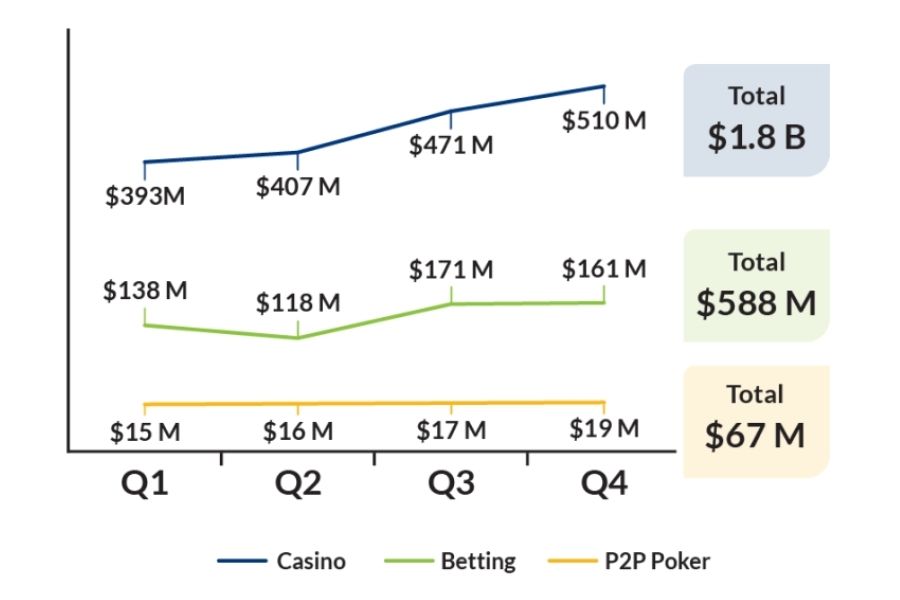
Data is your best friend. Track these metrics across every channel:
| KPI | What It Tells You |
| Cost Per Acquisition (CPA) | How much you’re spending per depositing player |
| Player Lifetime Value (LTV) | Expected revenue per player over time |
| Bonus Conversion Rate | % of bonus recipients who become real-money players |
| Email Open & Click Rate | CRM campaign effectiveness |
| Affiliate Revenue Share | ROI on your affiliate program |
| Reactivation Rate | How well your win-back campaigns perform |
The best iGaming marketing teams build dashboards that tie every marketing dollar back to GGR (Gross Gaming Revenue). If a channel can’t show attribution, it gets cut or restructured.
Top iGaming Marketing Mistakes U.S. Operators Make
Even well-funded teams leave money on the table. Watch out for:
- Bonus abuse: over-relying on welcome bonuses attracts deal-hunters who churn immediately
- Ignoring retention: spending 80% of budget on acquisition and 20% on keeping players is backwards
- One-size-fits-all messaging: sports bettors and slot players have completely different motivations
- Skipping mobile optimization: 70%+ of U.S. players bet exclusively on mobile
- Weak affiliate management: great affiliates walk if your tracking or payments are unreliable
FAQ: iGaming Marketing in the U.S.
Q: What is iGaming marketing?
iGaming marketing refers to the strategies and tactics online gambling operators use to attract, convert, and retain players: including SEO, paid ads, affiliates, email, and social media.
Q: What is the most cost-effective iGaming marketing channel?
SEO and affiliate marketing offer the best long-term ROI. While they take longer to scale, the cost per acquisition is significantly lower than paid media over time.
Q: How much do U.S. iGaming operators spend on marketing?
Large operators spend hundreds of millions annually. Smaller operators can launch effective campaigns with $50,000–$200,000, focusing on affiliate programs and organic content first.
Q: Can you advertise iGaming on Google or Facebook?
Yes: with restrictions. Google requires a gambling certification for each state. Facebook allows limited gambling ads with verified accounts and geo-targeting to legal markets only.
Q: What role do affiliates play in iGaming marketing?
Affiliates are one of the most important acquisition channels in iGaming. They drive pre-qualified, high-intent traffic in exchange for a revenue share or flat CPA fee: making them highly performance-driven partners.
Q: What is responsible gambling marketing?
It means ensuring all promotional material includes age-gating, problem gambling disclaimers, and excludes vulnerable players. It’s a legal requirement in every regulated U.S. market.
