
Link building is the process of earning or acquiring hyperlinks from other websites that point back to yours. Search engines like Google treat these backlinks as votes of confidence; the more high-quality links pointing to your site, the more authoritative your content appears.
If you’ve spent any time in the SEO world, you’ve heard it a hundred times: links are currency on the internet. But building link equity that actually moves the needle? That’s where most websites fall flat.
And here’s the thing: Google’s algorithm still leans heavily on backlinks as a core ranking signal. Even with AI-driven search updates, building links remains one of the most powerful levers you can pull for organic growth.
Table of Contents
Why Building Quality Links Beats Building Lots of Links
Not all backlinks are created equal. One link from a high-authority domain in your niche can outperform 50 links from random, low-quality directories.
Here’s what makes a backlink valuable:
- Domain Authority (DA): Links from trusted, established websites carry more weight
- Relevance: A link from a niche-related site signals topical authority
- Anchor Text: Descriptive, keyword-rich anchor text helps Google understand context
- Dofollow vs. Nofollow: Dofollow links pass “link juice”; nofollow links still drive traffic and brand visibility
- Link Placement: Editorial links within the body of content are stronger than footer or sidebar links
Top Link Building Strategies That Really Works
1. Guest Posting on Authoritative Blogs
Guest blogging is still one of the most reliable white-hat link building techniques. You write a high-quality article for another website in your niche, and in return, you earn a contextual backlink.
Pro tip: Target websites with a Domain Rating (DR) of 40+ and genuine organic traffic. Tools like Ahrefs or our free backlink checker can help you evaluate prospects fast.
2. The Skyscraper Technique
This strategy, popularized by Brian Dean, involves three steps:
- Find top-ranking content in your niche
- Create something significantly better, more detailed, more accurate, more visual
- Reach out to sites linking to the original and pitch your improved version
It works because you’re offering a genuine upgrade, not just asking for a favor.
3. Broken Link Building
Find broken external links on relevant websites, create content that replaces the dead page, and notify the site owner. It’s a win-win, they fix a broken link, you earn a backlink.
This is one of the most underutilized link building tactics in 2026, which means less competition for you.
4. Digital PR and HARO (Help a Reporter Out)
Journalists and content creators constantly need expert quotes and data sources. By responding to media queries through platforms like HARO (now Connectively), you can earn links from major publications like Forbes, Entrepreneur, and Business Insider.
5. Resource Page Link Building
Many websites maintain “resource pages”, curated lists of tools, guides, and helpful content. If your content genuinely fits their theme, a personalized outreach email can land you a solid editorial link.
6. Internal Link Building: The Overlooked Powerhouse
Before chasing external links, make sure your internal linking structure is solid. Internally linking to important pages:
- Distributes PageRank across your website
- Helps search engines crawl and index pages efficiently
- Improves user experience and session duration
How to Build Links Without Getting Penalized
Google’s Penguin algorithm update changed the game permanently. Black-hat tactics like buying links, using private blog networks (PBNs), or spammy directory submissions can result in manual penalties.
Stick to these white-hat principles:
- Earn links through value: Create content people genuinely want to reference
- Diversify your link profile: Mix of dofollow, nofollow, branded, and naked URL anchors
- Build links gradually: Unnatural spikes in link acquisition raise red flags
- Avoid exact-match anchor text overuse: It signals manipulation
Building Links for Local SEO: A Special Case
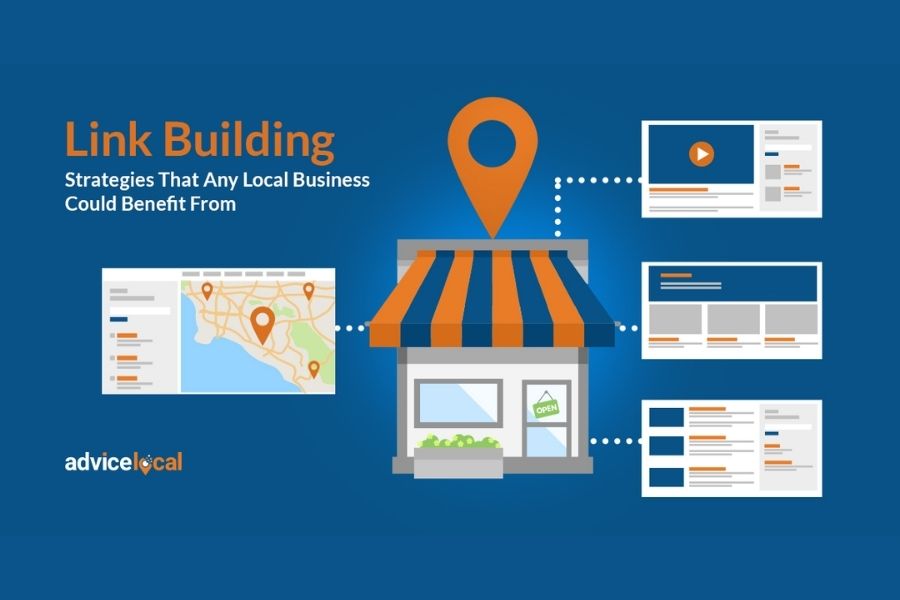
If you’re targeting a local audience in the USA, local link building deserves its own strategy:
- Get listed in local business directories (Yelp, Angi, BBB)
- Earn links from local news outlets and blogs
- Partner with local organizations, charities, and events
- Claim your Google Business Profile and optimize it fully
- Use citations: consistent NAP (Name, Address, Phone) mentions across the web
Local links may have lower authority scores, but they send powerful geographic relevance signals to Google.
FAQ: Building Link Questions Answered
Q: How long does link building take to show results? Link building typically takes 3–6 months to produce visible ranking improvements. SEO is a long game, consistency beats shortcuts every time.
Q: Is it safe to buy backlinks? No. Buying links violates Google’s Webmaster Guidelines and can result in ranking penalties or manual actions. Focus on earning links organically through valuable content and outreach.
Q: How many backlinks do I need to rank on page one? There’s no magic number. It depends on your niche competition, the quality of links, and your overall domain authority. Analyze your top competitors’ backlink profiles to set a realistic benchmark.
Q: What’s the best free tool for link building? Our free link building tool is a great starting point for analyzing backlinks, finding link opportunities, and tracking your outreach campaigns, no subscription required.
Q: What’s the difference between link building and link earning? Link building refers to proactive outreach and acquisition tactics. Link earning is when you create content so good that people naturally link to it without being asked. Both belong in a well-rounded SEO strategy.
Q: Are nofollow links worth pursuing? Yes. While nofollow links don’t directly pass PageRank, they drive referral traffic, diversify your link profile, and can still influence rankings indirectly.
Final Thoughts: Start Building Links the Right Way
Building link authority is not a one-time campaign, it’s an ongoing commitment to creating value, nurturing relationships, and producing content worth linking to.The websites dominating Google in 2026 aren’t the ones with the most links. They’re the ones with the most relevant, most authoritative, and most naturally earned links.
